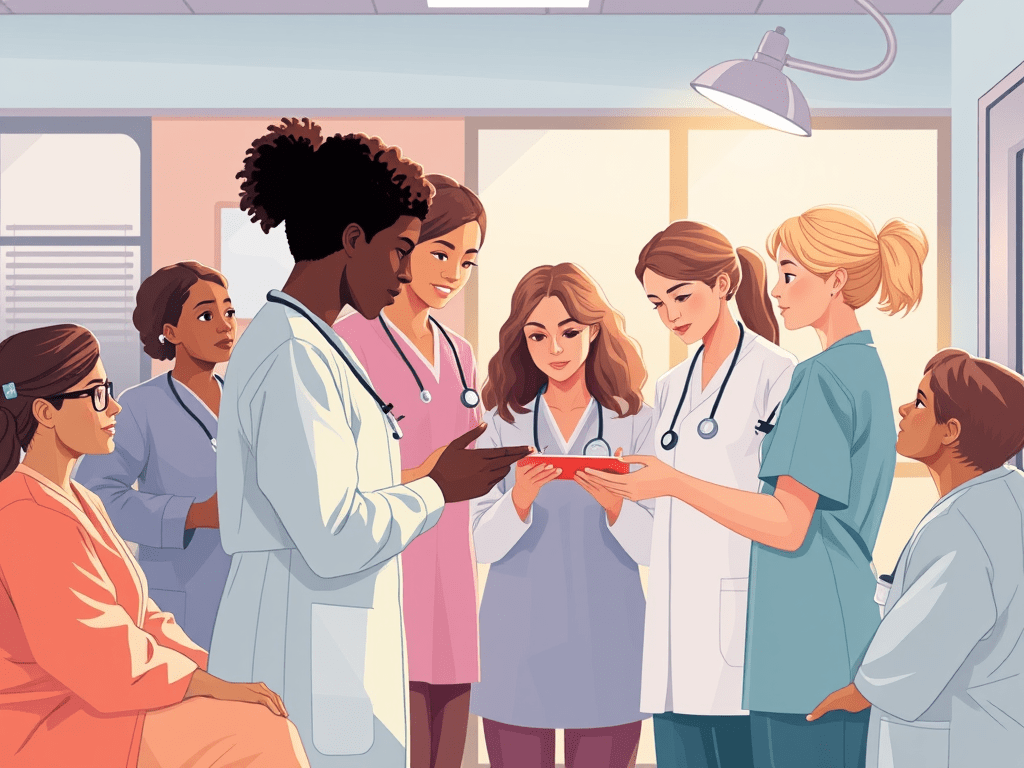
Healthcare has always depended on humans with uniquely wired brains, but we don’t always name or nurture that truth. Neurodivergent nurses — including those with ADHD, autism, dyslexia, dyspraxia, and other cognitive differences — are not “exceptions” in the workplace. They are often the innovators, the intuitive problem-solvers, the pattern-noticers, and the deeply empathetic caregivers who keep the system afloat.
When we support neurodivergent nurses, we aren’t offering charity. We’re strengthening healthcare as a whole.
Here’s why their contributions matter — and how healthcare organizations can help them thrive.
Why Neurodivergent Nurses Are an Asset to Healthcare
1. They Notice Patterns Others Miss
Autistic nurses and nurses with ADHD often have strong pattern-recognition skills.
This means they may catch subtle changes in patient presentation, spot medication discrepancies, or identify risks before they escalate.
2. They Think Creatively Under Pressure
Many neurodivergent people excel at out-of-the-box problem solving.
When the typical workflow breaks, they can often improvise effectively, adapt quickly, and bring unconventional — yet effective — solutions.
3. They Bring Deep Empathy and Intuition
Nurses with ADHD, dyslexia, or sensory sensitivities often report a natural ability to “read the room,” tune into emotions, and build strong patient rapport.
This is gold in an era where patients crave real connection.
4. They Are Loyal, Purpose-Driven Workers
When a neurodivergent nurse feels supported and understood, the level of commitment is unmatched.
They value meaning over “performing,” and when they’re in a role aligned with their strengths, they bring energy that uplifts the whole unit.
How to Support Neurodivergent Nurses in the Workplace
This isn’t about giving “special treatment.”
It’s about creating systems that help every nurse — neurodivergent or not — do their best work.
1. Offer Flexible Communication Styles
Not everyone processes information the same way.
Helpful options:
- Written instructions alongside verbal explanations
- Clear, direct communication without unnecessary ambiguity
- Workflow checklists or visual aids
This reduces errors and supports consistency for the whole unit.
2. Allow Movement & Sensory Breaks
Some neurodivergent nurses focus better when they can:
- Pace
- Stretch
- Take a moment in a low-stimulus space
- Use fidgets or grounding tools
These breaks actually increase productivity and reduce burnout.
3. Reduce Unnecessary Noise and Chaos
A calmer environment helps everyone — but it’s especially supportive for nurses with sensory sensitivities or ADHD.
Try:
- Streamlining alarms to reduce noise pollution
- Keeping shared spaces tidy
- Implementing “quiet hours” during certain shifts
4. Create Strength-Based Assignments
Instead of forcing everyone to operate identically, ask:
- Who thrives with rapid-fire tasks?
- Who prefers deep, focused work?
- Who is gifted in emotional care?
- Who excels at tech, documentation, or procedures?
When neurodivergent nurses are placed in roles aligned with their strengths, performance skyrockets.
5. Encourage Psychological Safety
Support starts with culture.
Things that help immensely:
- Allowing nurses to self-advocate without judgment
- Zero-tolerance for bullying, gossip, or “othering”
- Encouraging respectful conversations around different communication styles
- Leading with curiosity instead of assumptions
Psychological safety is one of the strongest predictors of high-functioning healthcare teams.
6. Normalize Asking for Accommodations
Accommodations don’t give someone an advantage — they remove barriers.
Examples that help neurodivergent nurses:
- Noise-reducing headphones during charting
- Predictable schedules
- Digital reminders or organizational apps
- Extra time during training
- Access to quiet spaces
Simple adjustments lead to better retention, higher satisfaction, and safer patient care.
When Neurotypical and Neurodivergent Strengths Combine — Healthcare Wins
Neurotypical nurses offer structure, consistency, and traditional workflow stability.
Neurodivergent nurses bring innovation, intuition, hyperfocus, creativity, and deep empathy.
Together, they create balanced teams with broad problem-solving abilities.
Neither is better.
Both are necessary.
And when they collaborate with mutual respect, healthcare becomes more humane, more efficient, and more resilient.
Final Thoughts
Supporting neurodivergent nurses isn’t just ethically right — it’s strategic.
Healthcare needs:
- unconventional thinkers
- sensory-aware caregivers
- hyperfocused task warriors
- wise intuition
- deep, authentic empathy
Neurodivergent nurses bring all of that and more.
When we honor their brains instead of squeezing them into neurotypical expectations, everyone — patients, providers, and the healthcare system — benefits.
 health| care| karma
Leave a comment