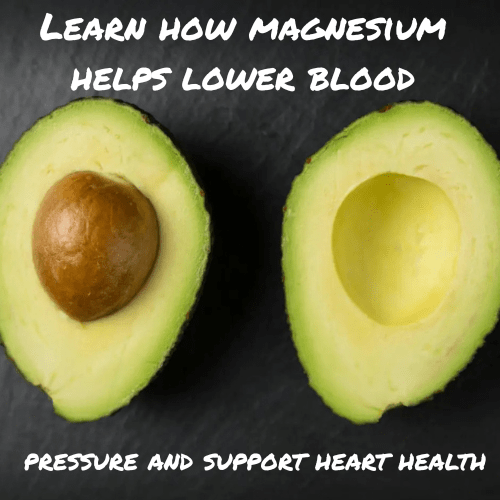
The Magnesium Fix: How This Essential Mineral Helps Control High Blood Pressure
When it comes to managing high blood pressure, most people think about cutting back on salt or taking medication—but there’s another quiet powerhouse that often goes unnoticed: magnesium. This mighty mineral plays a huge role in keeping our hearts healthy, our blood pressure balanced, and our bodies calm. Unfortunately, many people—especially Black Americans—tend to have lower levels of magnesium, which can make it harder to maintain optimal blood pressure.
Why Magnesium Matters
Magnesium helps regulate muscle and nerve function, keeps your heartbeat steady, supports bone strength, and balances blood sugar. But one of its most important jobs is helping blood vessels relax, which in turn lowers blood pressure.
When magnesium levels are too low, blood vessels can constrict, which raises pressure inside them. Over time, this can contribute to hypertension and increase the risk of heart disease and stroke.

Several studies have found that people who consume more magnesium—through food or supplements—tend to have lower blood pressure and overall better cardiovascular health.
Magnesium and the Black Community
Research suggests that Black people often have naturally lower magnesium levels due to a combination of genetic, dietary, and environmental factors. Diets low in magnesium-rich foods (like leafy greens, nuts, and legumes), higher rates of stress, and certain health conditions can all contribute.
Because magnesium plays a role in how the body processes sodium and potassium, lower levels may make blood pressure control even more challenging.
The good news? Small, consistent changes can make a big difference.
How to Boost Your Magnesium Naturally
You can raise your magnesium levels every day by adding delicious, wholesome foods to your diet. Some of the best sources include:

🥬 Leafy greens like spinach, collard greens, and Swiss chard
🥑 Avocados – creamy, filling, and magnesium-packed
🌰 Nuts and seeds such as almonds, cashews, pumpkin seeds, and sunflower seeds
🍌 Bananas – an easy on-the-go snack
🐟 Fatty fish like salmon and mackerel
🍫 Dark chocolate – yes, you read that right! Choose 70% cacao or higher for a healthy dose.
🥣 Whole grains like oats, quinoa, and brown rice
Try adding these foods into your regular meals—sprinkle seeds on your salad, swap white rice for quinoa, or snack on a handful of almonds instead of chips.
Considering Supplements
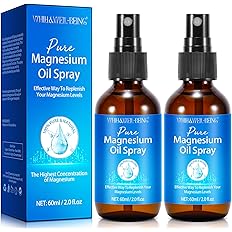
If it’s difficult to get enough magnesium through food alone, supplements can help. Common forms include magnesium citrate, magnesium glycinate, and magnesium oxide. Each type absorbs differently and can affect your digestive system in unique ways (for example, some forms may have a mild laxative effect).
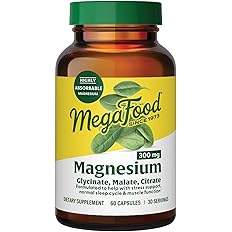
Because everyone’s needs are different, it’s important to talk with your healthcare provider before starting supplements—especially if you take medications for blood pressure, heart disease, or diabetes. Your doctor can check your magnesium levels and help you choose the right form and dose for your body.
A Gentle Reminder
If you’ve been struggling to manage your blood pressure or feel constantly fatigued, anxious, or crampy—magnesium might be worth looking into. But don’t go it alone. Discuss your concerns with your primary care doctor or a registered dietitian. They can guide you toward a balanced plan that supports your unique health needs.
Your health journey is personal, and small steps—like adding more magnesium-rich foods—can have a big impact over time. Think of it as giving your heart a little extra love. 💚
If you enjoyed this article and want to keep the good vibes flowing, here are a few sweet ways to stay connected and support my work:
Buy a Book (Support a Gulf Coast Author 🙂 ):


Shop for a Southern Fried Honeybee Gift:


Let’s connect!
P.S. –Stay tuned for more sweet treats and bee-utiful words. 🐝✨

 health| care| karma
Leave a comment